can you have both fibromyalgia and chronic fatigue syndrome Fibromyalgia choose board chronic syndrome
Fibromyalgia is a condition that affects millions of people worldwide. It causes widespread pain, fatigue, and tenderness in the muscles, ligaments, and tendons. Living with fibromyalgia can be incredibly challenging, both physically and emotionally.
Pin on humor
 Despite the difficulties that come with fibromyalgia, it’s important to find moments of joy and laughter. This image perfectly captures the idea of finding humor in the midst of chronic pain. It reminds us that laughter truly is the best medicine.
Managing Fibromyalgia: An Urban Ache
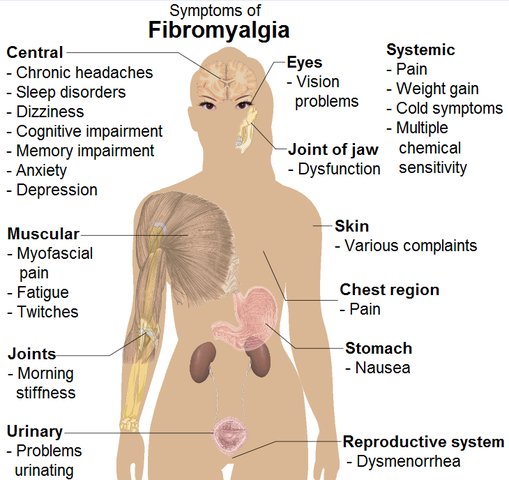 Living in a bustling city can be both exhilarating and exhausting. For individuals with fibromyalgia, the urban environment can exacerbate their symptoms and make it even more challenging to manage their condition. This image highlights the struggle of managing fibromyalgia in an urban setting.
Living with fibromyalgia means navigating a complex web of symptoms, treatments, and lifestyle adjustments. It requires an individualized approach, as what works for one person may not work for another. It’s a condition that often requires patience, perseverance, and a strong support network.
Understanding Fibromyalgia
Fibromyalgia is a chronic disorder characterized by widespread musculoskeletal pain, fatigue, and tenderness throughout the body. The exact cause of fibromyalgia is unknown, but it is believed to involve a combination of genetic, environmental, and psychological factors. It is often triggered by physical or emotional trauma, infection, or hormonal changes.
One of the defining features of fibromyalgia is the presence of tender points or trigger points, which are specific areas of the body that are more sensitive to pressure. These tender points can be found in various locations, such as the neck, shoulders, chest, hips, and knees. When pressure is applied to these points, it can cause intense pain and discomfort.
Common symptoms of fibromyalgia include chronic pain, fatigue, sleep disturbances, cognitive difficulties (often referred to as “fibro fog”), mood disturbances, and headaches. These symptoms can vary in severity and may come and go over time. Many individuals with fibromyalgia also experience other conditions, such as irritable bowel syndrome (IBS), temporomandibular joint disorder (TMJD), and migraines.
Managing Fibromyalgia
While there is no cure for fibromyalgia, there are various treatment options available to help manage the symptoms and improve quality of life. Treatment typically involves a combination of medications, lifestyle changes, and alternative therapies. It’s important for individuals with fibromyalgia to work closely with their healthcare team to develop a personalized treatment plan.
Medications commonly used to treat fibromyalgia include pain relievers, antidepressants, and anticonvulsants. These medications can help reduce pain, improve sleep, and alleviate other symptoms of fibromyalgia. However, it’s important to note that medication alone is not usually sufficient to manage fibromyalgia. Lifestyle changes and self-care practices are also essential components of treatment.
Some lifestyle changes that may be beneficial for individuals with fibromyalgia include maintaining a regular sleep schedule, practicing stress management techniques (such as meditation or deep breathing exercises), engaging in regular exercise (such as gentle stretching or low-impact activities like swimming or yoga), and eating a healthy, balanced diet.
Finding Support
Living with fibromyalgia can be isolating at times, but it’s important to remember that you are not alone. There are support groups, both online and in person, where individuals with fibromyalgia can connect with others who understand what they’re going through. These support networks can provide emotional support, practical advice, and a sense of community.
It’s also important to communicate openly with friends, family, and loved ones about your condition. Educate them about fibromyalgia and how it affects you. This can help them better understand your needs and offer support when necessary.
In conclusion, fibromyalgia is a complex and challenging condition, but with the right support and management strategies, individuals can live fulfilling lives. Remember to find moments of humor and joy, seek appropriate treatment, and surround yourself with a strong support network. You are not defined by your fibromyalgia, but rather by your resilience and strength in the face of adversity.
If you are looking for Pin on humor you’ve came to the right page. We have 5 Pictures about Pin on humor like Pin by Tara Ketchem on Fibromyalgia | Fibromyalgia awareness, Chronic, What It’s Like To Live With Fibromyalgia | Fibromyalgia symptoms and also Managing Fibromyalgia an urban ache. Here you go:
Pin On Humor
www.pinterest.comfibromyalgia themighty fatigue
Managing Fibromyalgia An Urban Ache
physiotherapy-treatment.comfibromyalgia treatment
Pin On Chronic Illness
 www.pinterest.comfatigue syndrome diet illness
Pin By Tara Ketchem On Fibromyalgia | Fibromyalgia Awareness, Chronic
 www.pinterest.comfibromyalgia pain chronic symptoms tmj fatigue fibro disease neck throat head syndrome awareness lyme mouth teeth feel jaw quotes causes
What It’s Like To Live With Fibromyalgia | Fibromyalgia Symptoms
 www.pinterest.comfibromyalgia choose board chronic syndrome
Fibromyalgia pain chronic symptoms tmj fatigue fibro disease neck throat head syndrome awareness lyme mouth teeth feel jaw quotes causes. Fibromyalgia choose board chronic syndrome. Fibromyalgia themighty fatigue