what causes weight gain during menopause Menopause weight gain
Weight gain during menopause is a common concern among many women. It can be frustrating to see the numbers on the scale creep up despite your best efforts to maintain a healthy lifestyle. But understanding the causes of menopause weight gain and adopting a menopause diet plan can help you manage your weight effectively.
Causes of Weight Gain During Menopause
There are several factors that contribute to weight gain during menopause. Hormonal changes play a significant role in this process. As women age, their ovaries produce fewer hormones, particularly estrogen. Estrogen helps to regulate metabolism and maintain a healthy weight. With lower estrogen levels, the body tends to store more fat and burn calories at a slower rate.
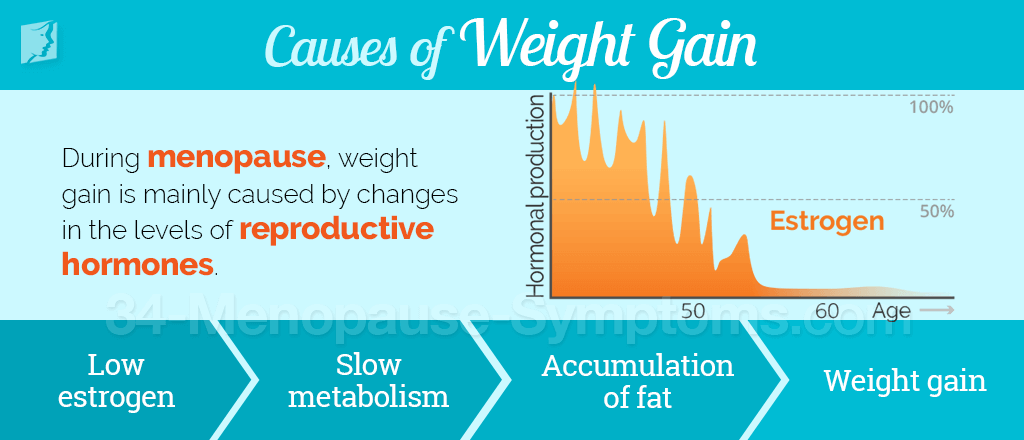 Additionally, menopause is often accompanied by a decline in muscle mass. As we age, our muscles naturally shrink, and this can result in a slower metabolism. With a slower metabolism, it becomes easier to gain weight, even with the same level of calorie intake.
How to Follow a Menopause Diet Plan
The good news is that with some adjustments to your diet, you can effectively manage weight gain during menopause. Here are some tips to help you stay on track:
 1. Focus on nutrient-rich foods: Opt for whole grains, lean proteins, fruits, vegetables, and healthy fats. These foods provide essential nutrients without excessive calories.
2. Prioritize protein: As muscle mass decreases during menopause, it becomes crucial to consume enough protein to support muscle development and repair. Include protein-rich foods like lean meats, poultry, fish, beans, and legumes in your diet.
3. Stay hydrated: Drinking enough water is essential for overall health and weight management. It helps to control appetite, boosts metabolism, and aids digestion.
4. Limit refined sugars and processed foods: These types of foods are often high in calories, low in nutrients, and can contribute to weight gain. Opt for natural sweeteners and whole, unprocessed foods instead.
5. Incorporate regular exercise: Engaging in physical activity not only burns calories but also helps to build and maintain muscle mass. Aim for a combination of cardio exercises, strength training, and flexibility exercises.
6. Get enough sleep: Lack of sleep can disrupt hormones that regulate hunger and satiety, leading to an increased appetite and weight gain. Aim for seven to eight hours of quality sleep each night.
By following these tips, you can effectively manage weight gain during menopause and maintain a healthy lifestyle. Remember, weight loss and weight management take time and consistency. Patience and perseverance are key to achieving long-term success.
If you are looking for How to follow a menopause diet plan - Bust Bunny you’ve visit to the right page. We have 5 Images about How to follow a menopause diet plan - Bust Bunny like Menopause and weight gain | Second Nature Guides, Pin on Menopause symptoms and also Pin on Menopause symptoms. Here it is:
How To Follow A Menopause Diet Plan - Bust Bunny
www.bustbunny.commenopause weight gain diet
Menopause Weight Gain | 34 Menopause Symptoms
www.34-menopause-symptoms.comweight gain menopause during causes symptoms testosterone
Pin On Menopause Symptoms
 www.pinterest.commenopause weight loss symptoms gain causes during diet tips lose choose board losing treatment
6 Foods To Avoid That’ll Make You Bloat During Menopause | National
 nationalmenopauseassociation.commenopause
Menopause And Weight Gain | Second Nature Guides
 www.secondnature.iogain menopause
How to follow a menopause diet plan. Pin on menopause symptoms. Menopause and weight gain